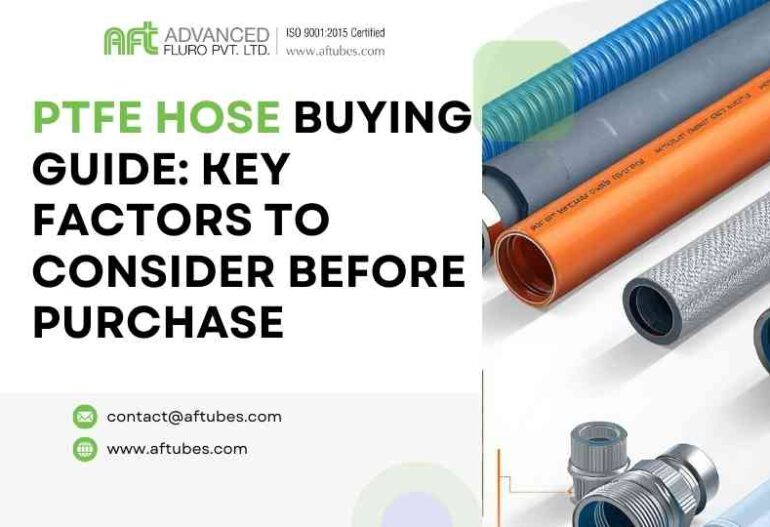
When it comes to industrial applications requiring exceptional chemical resistance and temperature stability, PTFE (Polytetrafluoroethylene) hoses stand as the gold standard. Whether you’re working in pharmaceuticals, chemicals, food processing, or aerospace, choosing the right PTFE hose can make the difference between smooth operations and costly downtime. This comprehensive PTFE hose buying guide will walk you through the essential factors that determine the best PTFE hoses for your specific needs, helping you make an informed decision that protects both your investment and operational efficiency.
Understanding PTFE Hose Applications
PTFE hoses excel in environments where conventional rubber or plastic hoses simply can’t perform. Their unique molecular structure provides unmatched resistance to virtually all chemicals, making them indispensable in industries handling aggressive substances. From transferring corrosive acids to high-purity pharmaceutical compounds, these hoses maintain their integrity where others would degrade rapidly.
The versatility of PTFE extends beyond chemical resistance. These hoses perform exceptionally well across extreme temperature ranges, from cryogenic applications at -200°C to high-temperature processes exceeding 260°C. This remarkable temperature stability, combined with their non-stick properties, makes PTFE hose selection critical for maintaining product purity and preventing contamination.
Critical Factors in PTFE Hose Selection
When choosing PTFE hoses, several technical specifications demand careful consideration. The bore diameter directly impacts flow rates and pressure drops, while wall thickness determines pressure ratings and flexibility. Understanding these relationships helps ensure optimal performance for your specific application.
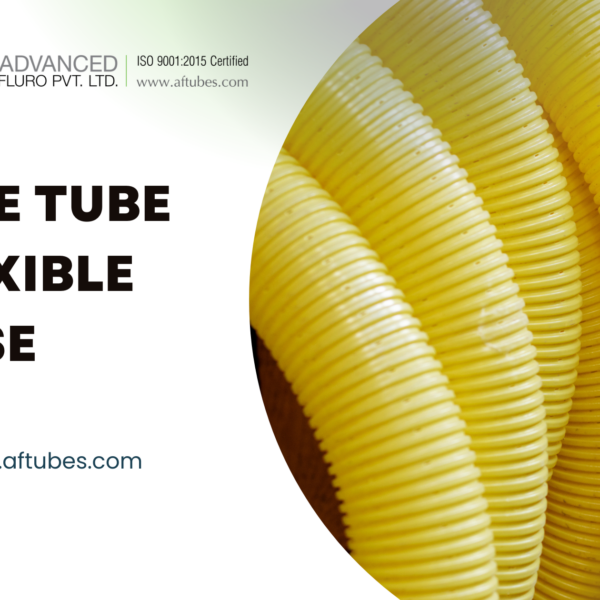
Construction type plays a pivotal role in hose performance. Smooth bore PTFE hoses offer maximum flow efficiency and are ideal for applications requiring easy cleaning, particularly in food and pharmaceutical industries. Convoluted designs provide enhanced flexibility, making them perfect for applications with complex routing or frequent movement.
The reinforcement layer significantly affects the hose’s pressure rating and longevity. Stainless steel braiding offers excellent pressure resistance and durability, while textile reinforcement provides superior flexibility for dynamic applications. Advanced manufacturers like Advanced Fluro Pvt. Ltd. often provide detailed specifications to help you match the reinforcement type to your operational requirements.
Quality Standards and Certifications
Reputable PTFE hose manufacturers adhere to strict international standards such as FDA, USP Class VI, and 3-A Sanitary Standards. These certifications ensure the hoses meet stringent requirements for food safety, pharmaceutical purity, and industrial applications. When evaluating potential suppliers, always verify their compliance with relevant industry standards.
Manufacturing quality directly impacts hose lifespan and reliability. Look for manufacturers with ISO certifications and established quality management systems. Advanced Fluro Pvt. Ltd., for instance, maintains rigorous quality control processes that ensure consistent performance across their PTFE hose product range, providing customers with reliable solutions for demanding applications.
Installation and Maintenance Considerations
Proper installation significantly extends PTFE hose life and maintains optimal performance. Consider the minimum bend radius specifications to prevent kinking and stress concentration. Factor in thermal expansion when installing hoses in high-temperature applications, as PTFE exhibits greater thermal expansion than metals.
End fitting compatibility represents another crucial consideration in PTFE hose selection. Ensure the chosen fittings match your system requirements and provide reliable sealing under operating conditions. High-quality manufacturers typically offer comprehensive fitting options and can provide guidance on the best combinations for specific applications.
Regular inspection and maintenance protocols help maximize hose lifespan. Establish inspection schedules based on your operating conditions, checking for signs of wear, chemical attack, or mechanical damage. Proper storage of spare hoses, away from UV light and extreme temperatures, ensures they remain ready for service when needed.
Making the Right Investment Decision
While initial cost often influences purchasing decisions, the total cost of ownership provides a more accurate picture of value. High-quality PTFE hoses may command premium pricing but typically deliver superior longevity, reduced maintenance requirements, and lower risk of costly failures.
Consider the supplier’s technical support capabilities and local presence. Manufacturers with strong technical teams can provide valuable application guidance and troubleshooting support. This expertise becomes particularly valuable when dealing with challenging applications or when optimizing system performance.