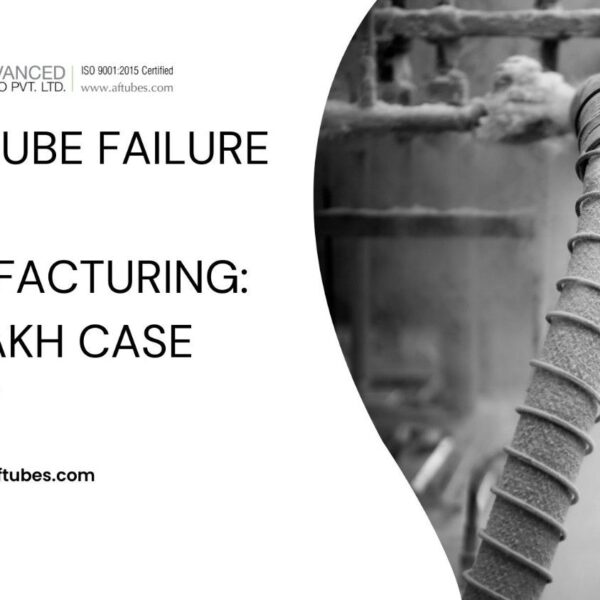
PTFE’s high-temperature stability can be attributed to its unique chemical structure, which forms strong bond between carbon and fluorine atoms. These connections resist thermal degradation, allowing fluoropolymer tubing to maintain structural integrity even at high temperatures. With a low thermal expansion coefficient, PTFE tube is an ideal choice for various high-temperature applications. The strong carbon bonds of PTFE contribute to its resistance to destruction when exposed to heat.
PTFE tubing is ideal for high-temperature applications due to its excellent thermal resistance. The continuous operating temperature range makes it suitable for environments such as high-temperature stoves and heat exchangers, withstanding up to 260°C (500°F). This remarkable characteristic is explained by its chemical composition, polytetrafluoroethylene, commonly known as Teflon. Leading PTFE tubing manufacturers ensure high-quality production standards to meet the demanding needs of industrial applications.
Core Properties of PTFE Tubes for High-Temperature Applications:
- High Heat Stability: PTFE has one of the highest thermal stability levels among plastics, allowing it to maintain its properties at very high temperatures.
- Low Expansion Coefficient: The tube does not expand significantly and remains dimensionally stable when exposed to temperature fluctuations.
- Chemical Resistance: In addition to high-temperature resistance, PTFE is highly resistant to a wide range of chemicals, making it suitable for aggressive liquid applications.
General Applications of PTFE Tubing in High-Temperature Media:
1. Industrial Process Pipelines:
PTFE tubing is used to transfer hot corrosive liquids in chemical plants. The superior heat stability and chemical resistance of PTFE make it the best PTFE tubes for high-temperature applications. It is commonly employed in extreme environments where traditional materials would degrade.
2. Aerospace Applications:
aviation engine fluid lines benefit from PTFE’s ability to withstand temperature changes. PTFE tubing is used in high-temperature aerospace applications due to its ability to handle extreme heat, making it suitable for transporting fluids in aviation motor compartments, fuel lines, and hydraulic systems, which can reach up to 260°C (500°F). These attributes make PTFE tubing a preferred choice in the aerospace industry.
3. Semiconductor Production:
PTFE tubing is used in high-temperature processing chambers where precise chemical resistance and stability are required. PTFE tubing sizes vary based on the specific requirements of semiconductor manufacturing processes.
4. Electrical Insulation:
PTFE tubing is used to insulate high-voltage cables due to its excellent insulating properties. Its ability to withstand both heat and electrical stress makes it a reliable choice for electrical applications.
5. Medical Devices:
Some medical device components require high-temperature sterilization, where PTFE tubing is used to ensure durability and reliability. The chemical resistance and heat stability of PTFE make it suitable for demanding medical applications.
PTFE tubing manufacturers offer a range of PTFE tubing sizes to meet the specific requirements of different industries. When selecting the best PTFE tubes for high-temperature applications, factors such as thermal stability, chemical resistance, and dimensional consistency should be considered.
By incorporating these properties, PTFE tubing continues to be a top choice for applications requiring superior heat resistance and durability.
Frequently Asked Questions (FAQs)
1. What makes PTFE tubing suitable for high-temperature applications?
PTFE tubing is highly resistant to heat, withstanding continuous temperatures up to 260°C (500°F). Its strong carbon-fluorine bonds prevent thermal degradation, making it an ideal choice for extreme environments.
2. What are the common PTFE tube sizes available?
PTFE tubing is available in a variety of sizes, ranging from small-diameter tubes for medical and electronics applications to larger sizes used in industrial pipelines. PTFE tubing manufacturers typically offer custom sizing to meet specific needs.
3. How do PTFE tubes compare to other high-temperature materials?
Unlike other materials, PTFE tubes maintain its structural integrity and chemical resistance at high temperatures, making it a superior choice for industries that require reliability under extreme conditions.
4. Can PTFE tubing be used for both liquid and gas transport?
Yes, PTFE tubing is commonly used for transporting both liquids and gases due to its non-reactive nature, ensuring safe and efficient fluid transfer in high-temperature environments.
5. Where can I find the best PTFE tubing for high-temperature applications?
To ensure quality and durability, it is recommended to source PTFE tubing from reputable PTFE tubing manufacturers who provide certified products that meet industry standards.