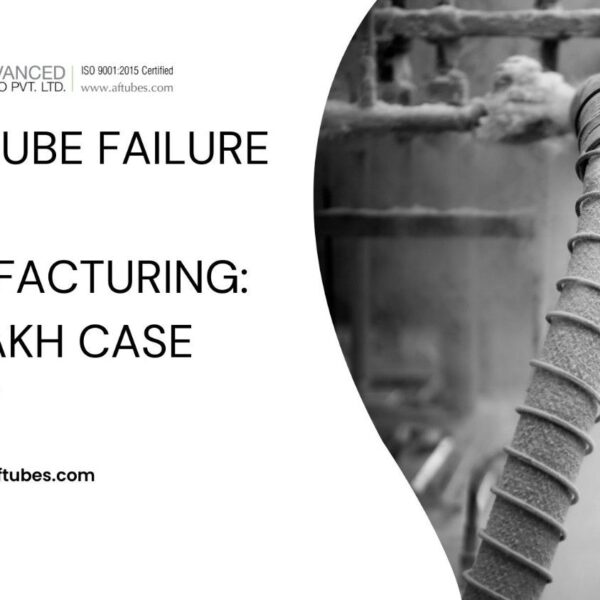
In the complex world of petrochemical processing, PTFE tubes play a crucial role in ensuring efficient and safe operations within cracking units. These specialized fluoropolymer tubes have become indispensable components in various sections of cracking facilities, offering unmatched chemical resistance and thermal stability that conventional materials simply cannot provide.
Critical Applications of PTFE Tubes in Cracking Units
Sample Line Systems
One of the most critical applications of PTFE tubing in cracking units is within sample line systems. These tubes transport process samples from various points in the cracking unit to analytical instruments. The inert nature of PTFE ensures that samples remain uncontaminated during transport. As a result, this provides accurate analytical results that are essential for process control and optimization.
Instrument Air Lines
High-temperature PTFE tubes are extensively used in instrument air lines that supply clean, dry air to pneumatic control valves and instrumentation. The superior temperature resistance of PTFE makes it ideal for these applications where conventional materials would degrade under the extreme operating conditions found in cracking units.
Chemical Injection Systems
Cracking units require precise chemical injection for catalyst regeneration, corrosion inhibition, and process optimization. PTFE flexible tubing is used in these injection systems because of its exceptional chemical compatibility with acids, bases, and organic compounds commonly used in petrochemical processing.
Cooling Water Systems
In specific sections of cracking units where corrosive cooling water is used, chemical resistant PTFE tubes provide reliable service life. These applications often involve treated water with additives that would quickly corrode standard piping materials, making PTFE an economical long-term solution.
Furnace Section Applications
Radiant Section Instrumentation
The radiant section of cracking furnaces operates at extremely high temperatures, often exceeding 800°C. PTFE tubes for petrochemical industry applications are used for instrumentation lines that measure temperature, pressure, and flow in these harsh environments. The thermal stability of PTFE ensures reliable measurements critical for furnace optimization.
Convection Section Monitoring
In the convection section, where heat recovery occurs, industrial PTFE tubing is used for various monitoring and control applications. These tubes handle process fluids and instrument signals that require the chemical inertness and flexibility that only PTFE can provide.
Separation and Fractionation Areas
Distillation Column Instrumentation
PTFE tubes are essential in distillation columns for level measurement, temperature monitoring, and sample extraction. The ability of PTFE to maintain its properties in contact with various hydrocarbon fractions makes it indispensable for accurate process control in these critical separation units.
Reflux and Reboiler Systems
The reflux and reboiler systems in cracking units utilize high-performance PTFE tubing for control system applications where precise flow measurement and control are required. The non-stick properties of PTFE prevent fouling that could affect system performance.
Catalyst Handling Systems
Catalyst Regeneration Units
In fluid catalytic cracking (FCC) units, PTFE tubes are used in catalyst regeneration systems where hot, corrosive gases and catalyst particles create extremely challenging conditions. The exceptional chemical resistance of PTFE ensures reliable operation in these demanding applications.
Catalyst Transfer Lines
Small-diameter PTFE tubing is often used in catalyst sampling and transfer systems where contamination must be avoided and chemical compatibility is paramount.
Utility and Support Systems
Nitrogen Blanketing Systems
PTFE tubes are widely used in nitrogen blanketing systems throughout cracking units. These systems prevent oxidation and maintain inert atmospheres in storage tanks and process vessels. The tubing must resist reactions with both nitrogen and the process fluids being protected.
Emergency Shutdown Systems
Critical safety systems in cracking units rely on reliable PTFE tubing for pneumatic and hydraulic actuation of emergency shutdown valves. The dependability of PTFE in extreme conditions makes it the preferred choice for these life-safety applications.
Advantages of PTFE Tubes in Cracking Applications
The widespread use of PTFE tubes in cracking units stems from their unique combination of properties:
- Chemical Inertness: PTFE resists virtually all chemicals used in cracking operations
- Temperature Stability: Maintains properties from -200°C to +260°C
- Low Friction: Reduces pressure drops and prevents buildup
- Flexibility: Allows for thermal expansion and vibration absorption
- Electrical Insulation: Prevents galvanic corrosion in mixed-metal systems
Conclusion
The strategic placement of PTFE tubes throughout cracking units demonstrates their critical importance in modern petrochemical processing. From high-temperature furnace applications to precise analytical systems, these specialized tubes ensure reliable, safe, and efficient operations that are essential for profitable cracking unit performance.
For cracking unit operators seeking reliable PTFE tubing solutions, partnering with experienced manufacturers who understand the unique demands of petrochemical processing is essential for optimal performance and safety.